On-Page SEO
On-Page SEO focuses on everything that happens within your own website. It includes using the right keywords in titles, headings, and content, writing high-quality articles, optimizing images, and improving page structure. A well-optimized page not only helps search engines understand what the content is about but also makes the website more user-friendly. By improving On-Page SEO, businesses can increase visibility, attract the right audience, and build trust through valuable and easy-to-read content.
Off-Page SEO
Off-Page SEO plays an important role in showing search engines that your website is trusted and valuable. It mainly focuses on building high-quality backlinks from other reliable sites, increasing brand mentions, gaining positive reviews, and engaging with audiences on social media platforms. These signals tell search engines that people find your website useful and credible, which helps improve rankings. A strong Off-Page SEO strategy not only increases visibility but also builds trust and authority in the online world.
Technical SEO
Technical SEO focuses on the backend structure of a website to make it search engine–friendly. It includes improving website speed, ensuring mobile responsiveness, using secure HTTPS, creating XML sitemaps, fixing broken links, and maintaining clean URL structures. These elements help search engines understand and access your content easily, while also providing users with a smooth browsing experience. A strong technical SEO foundation supports other SEO efforts and ensures that the website performs well in search rankings.
Content SEO
Content SEO is about producing useful and engaging content that answers the questions of your target audience while being optimized for search engines. It involves researching the right keywords, writing clear and informative articles, and organizing them with headings, images, and links for better readability. When done correctly, Content SEO not only helps in improving search engine rankings but also builds trust, increases website traffic, and encourages users to take action, whether that’s subscribing, buying, or sharing your content.
E-commerce SEO
E-commerce SEO is all about making an online store more search-friendly so that customers can quickly find the products they are looking for. It involves optimizing product titles, descriptions, images, and site navigation while ensuring a fast and mobile-friendly experience. By using the right keywords and improving website structure, e-commerce SEO helps increase organic traffic, attract genuine buyers, and boost overall sales in a cost-effective way.
Mobile SEO
Mobile SEO focuses on creating a seamless browsing experience for mobile users by improving site speed, responsive design, and easy navigation. Since most people now use smartphones to search online, search engines give preference to mobile-friendly websites. Optimizing for mobile SEO includes using clear fonts, compressed images, and mobile-responsive layouts. When implemented correctly, it helps boost search rankings, reduces bounce rates, and increases conversions by delivering a smooth experience to users on the go.
Voice Search SEO
Voice Search SEO helps websites adapt to the growing trend of voice-based queries by focusing on how people naturally speak instead of how they type. It involves using long-tail keywords, answering questions directly, and structuring content in a simple, conversational tone. Since most voice searches are local and question-based, optimizing for voice search improves visibility, enhances user experience, and increases the chances of appearing in featured snippets or top search results. This makes it a powerful strategy for reaching audiences in the modern digital era.
Local SEO
Local SEO helps businesses connect with people in their own area. It focuses on improving online visibility through local keywords, Google Maps listings, customer reviews, and accurate business information such as phone number, address, and working hours. When done properly, Local SEO makes a business more likely to appear in “near me” searches and local map packs, bringing in more foot traffic and calls. This approach is especially useful for small shops, restaurants, and service providers that depend on local customers.

🔎 Search Engine Optimization
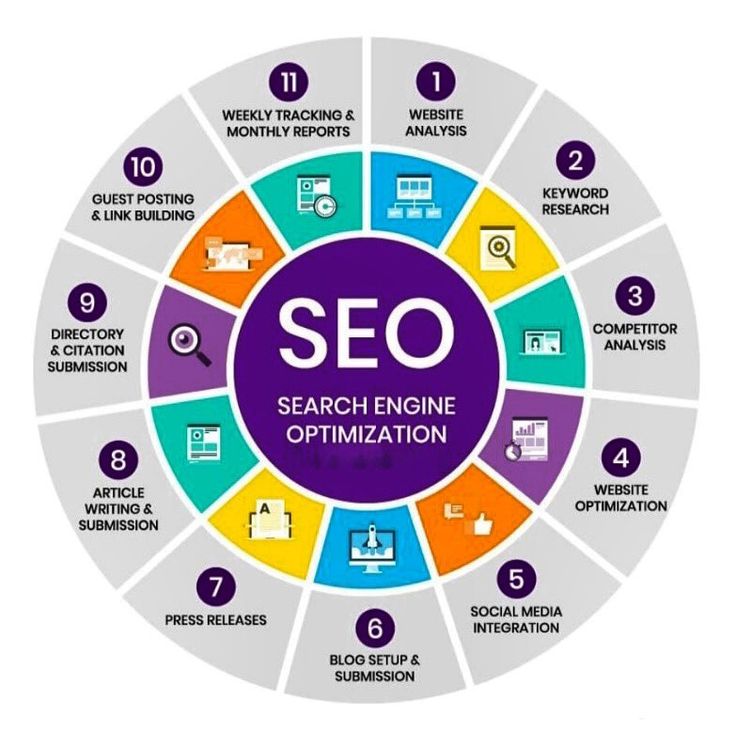
Search Engine Optimization is a digital marketing practice that makes a website easier to find on platforms like Google, Bing, or Yahoo. It involves using the right keywords, creating valuable content, improving website speed, building backlinks, and ensuring mobile-friendliness. SEO not only helps websites appear higher in search results but also increases trust, user engagement, and long-term online growth. By applying SEO techniques, businesses and individuals can reach the right audience without relying only on paid advertising.